Latest research reveals a revolutionary approach to curing HIV through stem cell transplants without requiring genetic resistance.
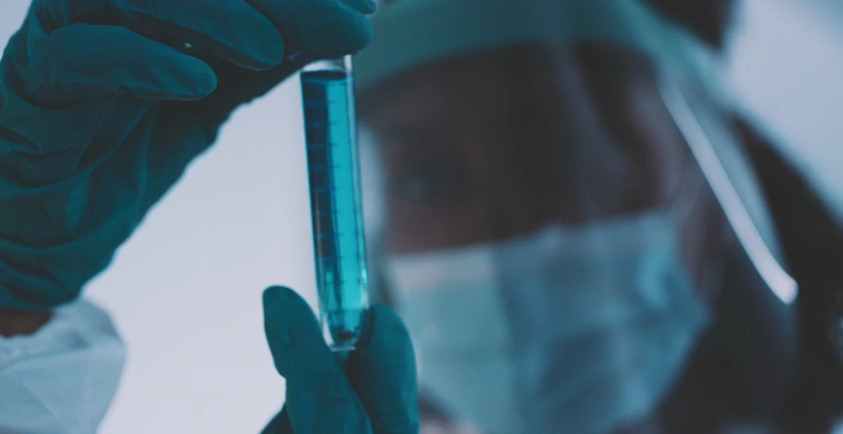
In a groundbreaking medical development, researchers have documented the seventh case of a person being cured of HIV following a stem cell transplant initially administered to treat blood cancer. What makes this case particularly significant is that it’s only the second time a patient has remained HIV-free after receiving stem cells that weren’t specifically resistant to the virus, challenging previous scientific assumptions about HIV treatment.
The Revolutionary Discovery
The patient, known in medical literature as the “Geneva patient,” received stem cell treatment for leukemia in October 2015. Unlike previous successful cases that relied on donors with a specific mutation in the CCR5 gene (which HIV typically uses to infect immune cells), this patient received stem cells with only one copy of the mutated gene.
“Seeing that a cure is possible without this resistance gives us more options for curing HIV,” explains Christian Gaebler from the Free University of Berlin, one of the researchers involved in the study.
Key Findings of the Research
- The patient has remained HIV-free for over seven years
- The transplanted stem cells did not have complete HIV resistance
- The patient discontinued antiretroviral therapy (ART) approximately three years post-transplant
- No signs of the virus have been detected in blood samples since treatment
Why This Matters for HIV Treatment
This case fundamentally changes our understanding of what’s required to cure HIV through stem cell transplantation. Previously, scientists believed complete resistance through double CCR5 gene mutation was essential for success.
University of Cambridge’s Ravindra Gupta notes, “We thought you needed to transplant from donors that lack CCR5 – it turns out that you don’t.”
Important Limitations to Consider
Despite this exciting development, researchers emphasize several important considerations:
- Stem cell transplants remain extremely risky procedures that can lead to life-threatening infections
- This approach is primarily viable for HIV patients who also require treatment for blood cancers
- For most HIV patients, antiretroviral therapy remains the safer and more practical option
- New treatments like lenacapavir now provide nearly complete HIV protection with just two injections per year
The Future of HIV Treatment
This breakthrough opens new possibilities for understanding HIV cure mechanisms and potentially developing less invasive treatments that mimic the effects of stem cell transplantation without the associated risks.
Archaeological Connection: Ancient Human Habitation
The same publication also highlighted fascinating archaeological discoveries in the Arabian desert, where researchers found evidence of ancient human habitation dating back 80,000-800,000 years ago in what was once a much wetter environment. Stone tools and preserved animal remains indicate thriving ecosystems in this now-arid region.
This blog post is based on research published in Nature (doi.org/hbc9w6) and PLOS One (doi.org/qg10) as reported in New Scientist, December 2025 edition.